
GCC
How Global Capability Centers Help Companies Reduce Costs Without Losing Control
The Cost Challenge: Why Companies Turn to GCCs Running a software company costs a lot more money when your entire team works in different regions

The Cost Challenge: Why Companies Turn to GCCs Running a software company costs a lot more money when your entire team works in different regions

Global Capability Centres are still frequently misinterpreted, while being an essential component of how businesses oversee their worldwide operations. Many GCC-related decisions are impacted by

As enterprises scale and expand across regions, choosing the right delivery model becomes a critical decision. Terms like Global Capability Center (GCC), outsourcing, and shared

The process of managing operations while preserving quality as well as control gets difficult as businesses keep growing in international markets. It is difficult to

The UAE’s retail sector is changing rapidly. The landscape is evolving. Digital use is increasing. Consumer expectations are rising, too. They all push for a
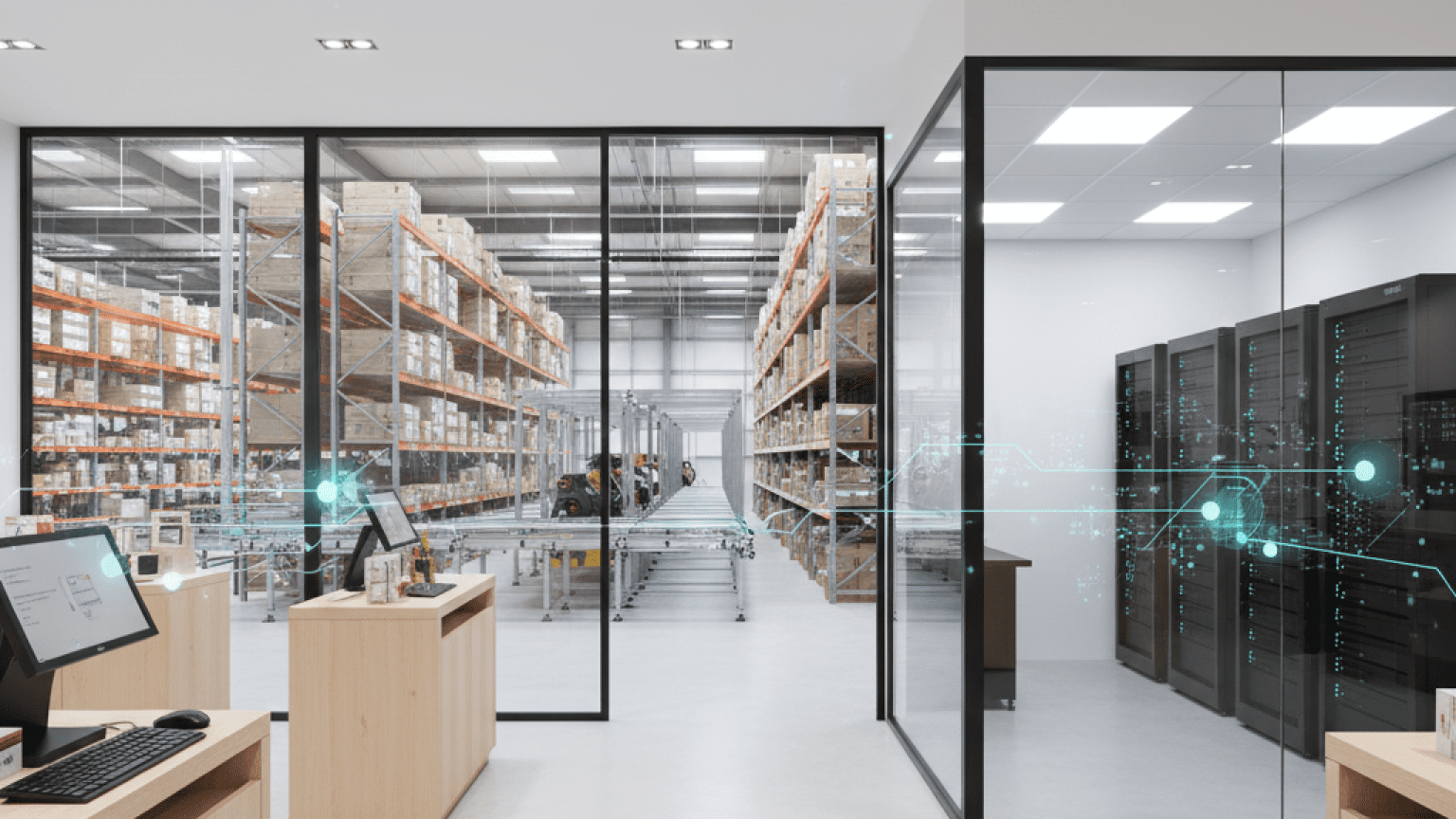
When a major retailer’s legacy ERP system can’t update prices across 5,000 stores in under six hours, the financial damage compounds silently. Every moment a

The Cost Challenge: Why Companies Turn to GCCs Running a software company costs a lot more money when your entire team works in different regions

Global Capability Centres are still frequently misinterpreted, while being an essential component of how businesses oversee their worldwide operations. Many GCC-related decisions are impacted by

As enterprises scale and expand across regions, choosing the right delivery model becomes a critical decision. Terms like Global Capability Center (GCC), outsourcing, and shared

The process of managing operations while preserving quality as well as control gets difficult as businesses keep growing in international markets. It is difficult to

The UAE’s retail sector is changing rapidly. The landscape is evolving. Digital use is increasing. Consumer expectations are rising, too. They all push for a

When a major retailer’s legacy ERP system can’t update prices across 5,000 stores in under six hours, the financial damage compounds silently. Every moment a