AI/ML
How AI Freight Cost Optimization is Reforming Freight Operations
Today’s ever-increasing global trade volatility as a result of pandemics, shifting tariffs and geopolitical tensions means that manual spreadsheets are failing. What used to be

Today’s ever-increasing global trade volatility as a result of pandemics, shifting tariffs and geopolitical tensions means that manual spreadsheets are failing. What used to be
Logistics has changed a lot in the past ten years. Forget dusty ledgers, now it’s all about systems that talk to each other and run

In 2025, almost 61% of Global Capability Centers (GCCs) now consider digital transformation as the topmost priority of their enterprise agenda. Undoubtedly, this is a
Over 70% of Global Capability Centers have already adopted multiple hybrid operating models to balance better flexibility, collaboration, and overall talent access in 2025. This

The Global Capability Centres are accelerating digital transformation with a major focus on cybersecurity and data governance. Effective cyber defence and robust governance are no
Introduction Efficiency and visibility are crucial for business success in 2026 due to the logistics industry’s growing complexity brought on by global supply chains, rising

The Hidden Cost of Inefficient Warehouse Operations Most warehouses struggle with the same fundamental problem: labor costs eat up 45 to 70 percent of their
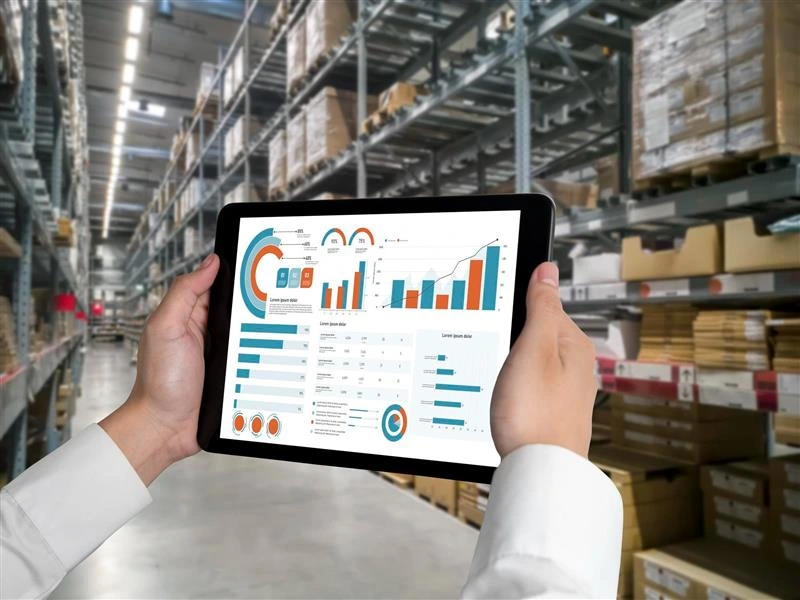
Why Your 3PL Dashboard Metrics Matter Right Now Chargeback fraud carries real financial weight. The eCommerce industry faces an estimated $33.79 billion in chargeback losses
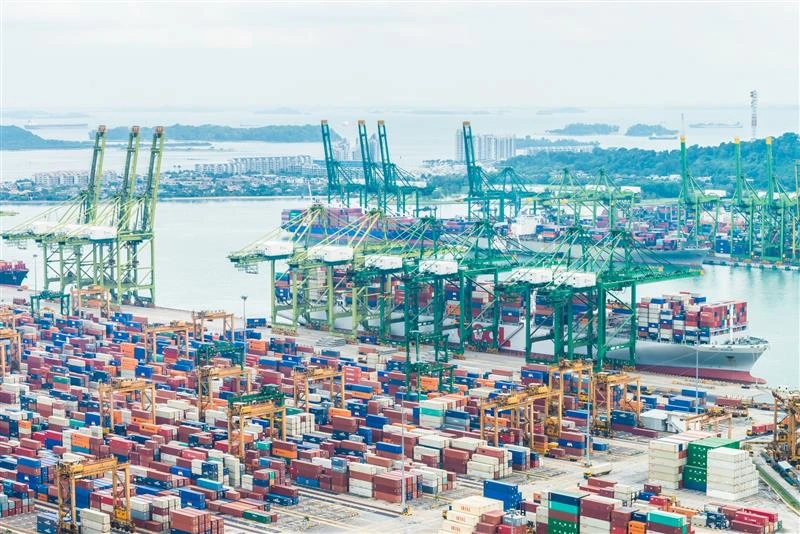
Digital freight platforms said they would make bookings faster, give instant prices, and make it easier to get to capacity. A lot of the time,

Global Capability Centers (GCCs) are fully owned offshore facilities that execute business administration, technical architecture, and research initiatives. Multinational corporations face exact GCC setup challenges

Picking the right ERP system can make or break your business, but there are so many choices that it can be hard to know what

GCC innovation India supplies 1.9 million technical professionals to global enterprises to solve severe local talent shortages. Western technology directors battle 3 operational hurdles daily.

Global Capability Centers are an essential part of the business of global companies that are expanding their operations all over the world. Companies can take

Picking the correct ERP system is hard enough, but picking the correct modules within that system can be even more difficult. A lot of companies

A lot of small businesses can now use enterprise resource planning (ERP) systems too. SMBs across the US are quickly adopting ERP solutions in 2026