

A multinational port operator with 140+ market presence, managing 92 million containers annually

Integrated logistics, port terminal management, maritime solutions, and free trade zone services

High-volume container movement supporting major global supply chains with critical service continuity requirements

Replace manual vessel planning with intelligent automation that scales with volume growth while eliminating resource waste and operational bottlenecks across terminal networks
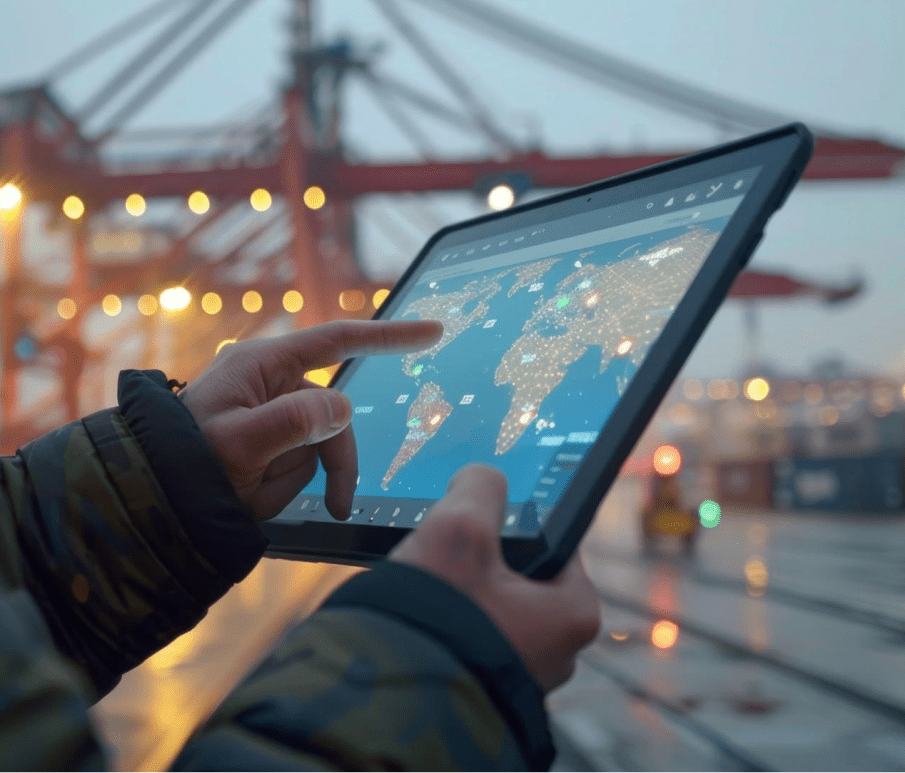
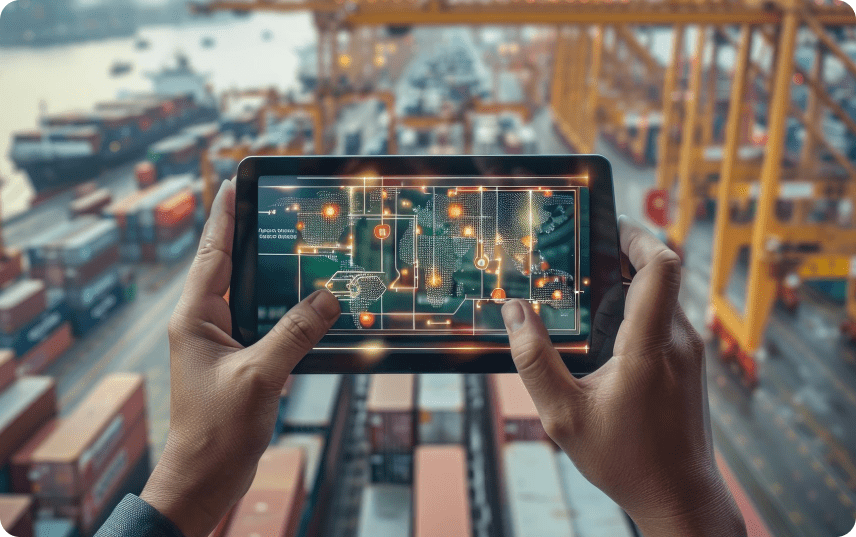
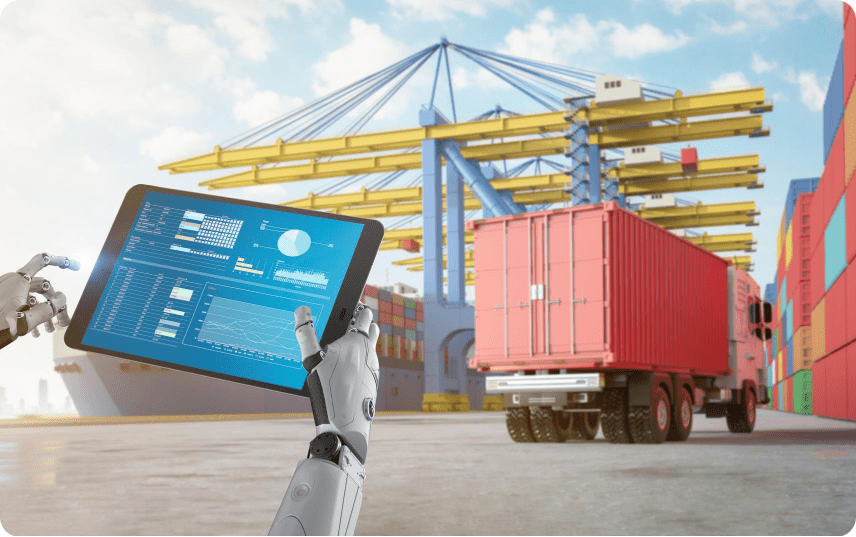

Deep Q-Learning models handle crane assignments, container stacking, and yard balancing across fluctuating operational conditions
Embedded within the existing Zodiac platform for planner familiarity with real-time data flow, eliminating information silos
Instant scenario analysis matching planning moves to the current operational state across multiple simultaneous vessel operations
Flexible design accommodates diverse vessel types, container loads, and scheduling demands without performance degradation
Background automation frees planning teams for high-value strategic decisions while maintaining service responsiveness
Automated decision-making compressed scheduling cycles from hours to minutes
Intelligent resource allocation eliminated dock blockages and throughput bottlenecks
AI-optimized container placement reduced manual yard shifting and enhanced vessel stability
Instant response to fluctuating container flows and scheduling changes across terminals
Consistent performance maintained across rising volumes without operational compromise
8x throughput increase freed planners from repetitive tasks for strategic focus
10% crane efficiency improvement, accelerated container movement, and terminal throughput
10% better load distribution, minimized yard shifting, and improved cargo safety
Real-time adaptation to volume fluctuations and schedule changes maintained service continuity
Consistent speed, accuracy, and quality sustained across expanding operational demands
