

The dashboard shows On Time Delivery at 96%. The team’s relaxed.
Well, the logistics don’t just break at the destinations; it’s often hidden in places no one thinks of.
As per MetricHQ, 95% on-time delivery is a good benchmark for businesses. However, many businesses trying to reach that number often have to fight to do so. Why? Because delays can happen anytime, and for any reason. From order movement from sales to planning, then warehouse, and then to carrier, and to data- time leaks everywhere.
Let’s explore the nine on-time delivery challenges in logistics and how to mitigate them before on-time becomes only an illusion.
Key on-time delivery challenges in logistics
On-time delivery challenges in logistics rarely arise from one big failure. It’s usually a mix of multiple factors where the information drops. These challenges create delays, weak workflow visibility, and OTIF performance issues.
Below are some of the key issues that create on time delivery challenges:
1. Driver Shortage and Retention
According to a study by Tech.co, around 65% of businesses struggle with driver shortage. This has eventually impacted the business’s ability to meet the freight demands. The shortage of high-skilled drivers continues to be a significant pain for businesses.
Some key challenges regarding driver shortage include:
- Businesses need to train new drivers regularly.
- Unhappy drivers will often leave without notice.
- The drivers’ departure creates delays.
To increase retention, businesses must be mindful of offering regular, predictable shifts. Low pay is a key reason drivers leave. Offering transparent, justifiable payments can increase transparency. Integrating modern logistics solutions that prioritize safety can help retain drivers. Retaining the drivers is better than constantly hiring and training them.
2. Unexpected Machine Downtime
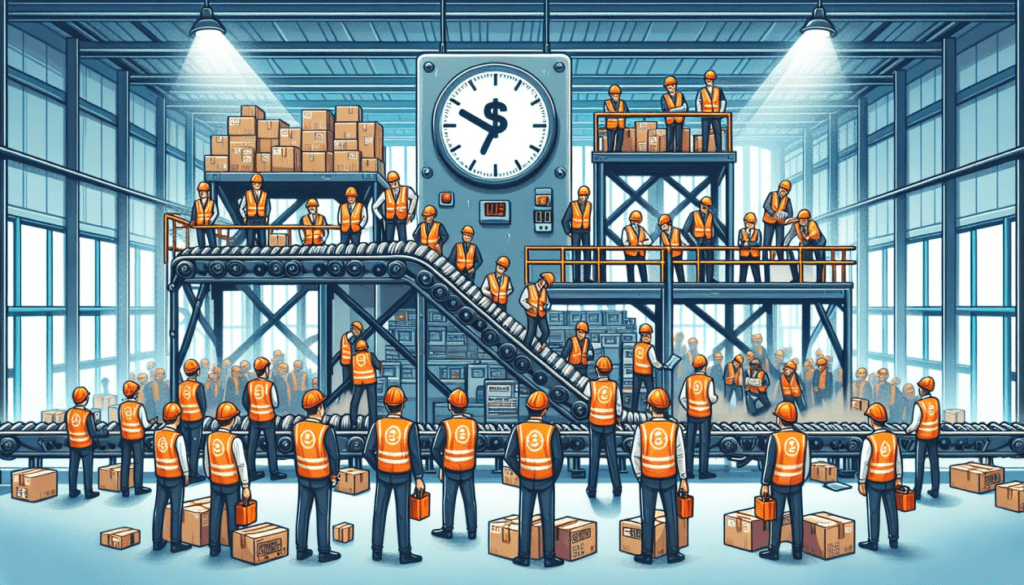
Unexpected Machine Downtime causes significant delays in order fulfillment bottlenecks. On average, manufacturers have to handle around 800 hours of downtime per year, which means millions of dollars in revenue loss.
A few unexpected hours of downtime can disrupt the tightly packed production schedules and transit time in shipping. Usually, for businesses that offer short, mixed orders that change daily, a single breakdown can affect multiple customer orders.
Businesses often fail to track downtime in real time, which creates all sorts of logistics handoffs issues. Maintenance teams usually find out that the machine has stopped working after a long time. It’s crucial for businesses, especially maintenance teams, to monitor downtime and keep machines operational continuously.
Maintenance teams should address downtime immediately rather than waiting for long hours. It helps to uncover the issues and support preventive maintenance strategies. Furthermore, it helps reduce production downtime and maintain logistics performance KPIs.
3. Reverse Logistics Issues
Logistics process breakdowns happen at a significant rate due to the returns. Regular returns can drain resources. Unlike regular orders, these returns require special handling, additional checks, new labels, and planned routes. Unless everything is streamlined, returns can turn into chaos.
Reverse logistics can be a significant headache for businesses if not well planned. Return orders can often create on-time delivery challenges in logistics due to pickup issues. Businesses must have sufficient resources for consolidating return pickups.
Route optimization is a crucial aspect for managing return legs. Furthermore, it’s essential to track return seasons to reduce recurring issues regularly. Using AI in supply chain can help to predict product returns. Most companies are using it to lower reverse logistics costs.
4. Warehousing Delays
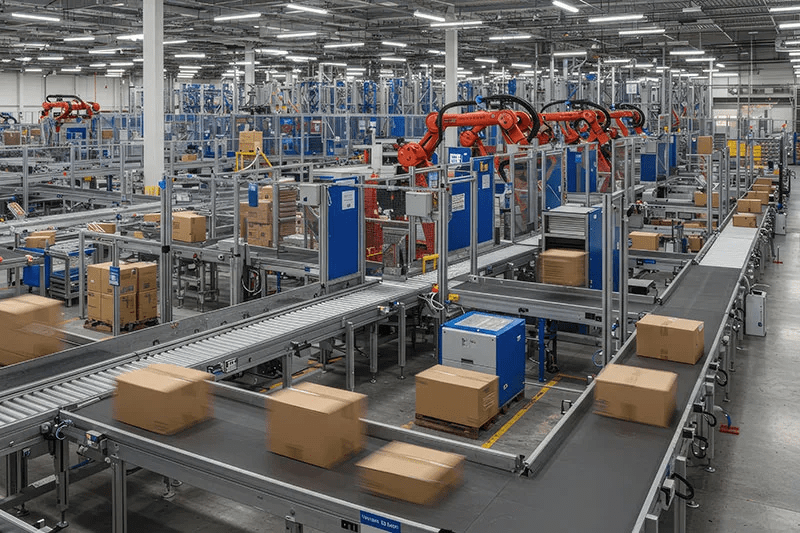
Suppliers using warehousing solutions for storing, fulfilling, and transporting orders have complex operations. Supply chain delays often stem from operational complexity. Not integrating effective, dynamic strategies into warehousing can lead to delays.
The team must be skilled enough to ensure that the deliveries coming in and going out are scheduled on time. Furthermore, inventory tracking and order fulfillment are crucial. Transportation services can also cause shipment delays.
The lack of drivers being on schedule is one of the most common issues. Warehousing inefficiency mainly stems from a lack of appropriate technology solutions. Failing to integrate industry-standard cloud-based technology can disrupt operations and lead to inefficiencies.
5. High Delivery Costs
Last-mile delivery failures often occur due to high delivery costs. Last-mile delivery accounts for up to 41% and 53% of the total shipping costs. In the earlier stages of shipping, everything moves fast. However, for last mile delivery, there are multiple stops across various locations.
The last-mile delivery costs are usually high due to high labour costs, inefficiencies, and fuel charges. Businesses trying to stay competitive can often struggle with these costs adding up. Furthermore, if it is air freight, the price adds up further.
Using route optimization software can help overcome on-time delivery challenges in logistics. Using route optimization tools can help calculate the most efficient routes. It helps to save time and money.
Businesses must track traffic, fuel consumption, and distance through route optimization to reduce operational costs. It helps handle deliveries more effectively with fewer resources.
6. Fuel Price Volatility

Fuel is undeniably one of the most expensive aspects of logistics. Prices rise and fall without prior warning, further exacerbating OTIF performance issues. Sudden price fluctuations require the carriers and shippers to adjust routes and delay dispatches. All of this can amount to reliability issues.
For fast-moving consumer goods, companies usually target 95-98% OTIF for major retailers. However, even minor fluctuations in fuel-driven adjustments can push deliveries off schedule. This triggers multiple OTIF issues, further exposing the business to financial penalties because of non-compliance.
If fuel prices increase, every mile costs more. When prices drop, the savings are often lost due to inefficiencies in dispatch and route planning. Businesses must plan routes that maximize loaded trips, further reducing unnecessary travel.
Shipment consolidation is crucial as well for carrying full loads whenever necessary. Monitor the fuel consumption per vehicle and per trip. Constant monitoring helps identify waste, patterns, and inefficiencies in driver behavior. Careful planning offers better control over fuel-related costs, especially to combat sudden market fluctuations.
7. Pressure on Rates
Customers often expect fast, on-time delivery at minimal cost which is one of the major supply chain delays causes. Operational expenses such as labour, compliance, technology, and fuel are on a constant rise. Not accounting for these costs often creates a gap between customer expectations and the actual costs required for better operations.
To offer shipment exception management, offer bundled services. This may include last-mile delivery, tracking, and even reverse logistics management. Furthermore, provide premium delivery windows for customers who want faster services and on-time delivery within guaranteed slots.
Businesses must also integrate performance data to justify the price. Rather than showing the unit cost, it’s better to show the overall cost. These small initiatives help to transition the narrative from “lowest value” to “best overall value.” Minor shifts in approach can help to maximize profitability while meeting customer expectations.
8. Workflow Visibility Across Supply Chain
In 2025, only 6% of businesses reported having full end-to-end logistics workflow visibility. Around 60% of businesses lack adequate visibility into their logistics workflows. This is a central blind spot that affects real-time decision-making and requires proper monitoring of logistics workflow breakdowns.
Lack of visibility affects tracking, planning, and customer confidence. Businesses must consider integrating WMS, TMS, and telematics for proper planning.
Not monitoring the fleets can also create significant business troubles. Real-time tracking solutions can be a key way to enhance impact. Furthermore, live dashboards must be shared with teams and customers. Gaining control over what you see in real time can help you adjust the supply chain costs accordingly.
9. Goods Sustaining Damage During Transit

Damage during transit is more common than businesses think. When goods are handled and packed incorrectly, they are quickly damaged. Furthermore, specific products have requirements that must be met during transit to ensure longevity.
Damaged products can lead to revenue losses, delayed deliveries, and additional replacement costs. Eventually, unsatisfied customers mean lost business. Companies need to be especially mindful of products during transit.
When goods are to be transported by train or road, careful loading is essential. Furthermore, it is crucial to use route-specific standards when packaging the items. The items must be carefully inspected before dispatch. In the event of any damage, it must be reported immediately.
Proper execution of shipment exception management can help overcome goods damage. Improved packaging can help reduce the risk of damaged goods and also cut insurance claim-related costs. This helps to boost customer confidence while enhancing delivery quality.
Factors Affecting On Time Delivery
Most businesses face on-time delivery challenges in logistics because they’re not mindful of specific factors. Right from inventory management to advanced logistics, some of the key factors affecting on-time delivery include:
- Inventory Management
Insufficient inventory and inaccurate stock levels affect delivery timelines. It can lead to order delays. Businesses must adopt real-time inventory tracking to prevent stockouts. Proper inventory tracking helps ensure products are ready for shipping. - Logistics and Transportation
Logistics process breakdowns can often show the different aspects affecting delivery timelines. Delays in transport due to traffic congestion, weather, or carrier issues can result in significant shipment delays. Automating order fulfillment can help to overcome bottlenecks. This further boosts processing speed. - Supplier Performance
Businesses relying on suppliers should also be mindful. Late shipment of raw materials and production delays can affect the order. Businesses must establish strong supplier relationships and maintain contingency plans. Taking small measures like these can help to reduce risks. For international delivery, choose suppliers who can help with customs clearance. - Demand Fluctuations
Unexpected spikes in demand can often lead to inventory constraints and logistics issues. Not being mindful or ready to handle these can lead to missed delivery deadlines. Demand forecasting using the latest technologies and AI can help to anticipate fluctuations. This further plays a key role in adjusting the resources accordingly.
On-time Delivery is Not the Same As Fast Delivery
One key thing to note about on-time delivery is that it is not the same as fast delivery. Many customers often confuse the two, treating them as the same thing, which creates a gap in expectations. Businesses can have an excellent on-time delivery score even when shipping overseas.
Businesses that plan the delivery properly can overcome delays. Proper shipment exception focuses on realistic promises and then delivers on them. Most of the US customers are willing to wait 3-5 days for a delivery. However, only a small percentage of them expect the delivery to be done next time. In fact, some customers are okay with waiting a little longer for their delivery.
Today, customers value predictability over speed. It’s essential to offer realistic deadlines and deliver on them rather than overpromising and underdelivering. Unsatisfied customers can damage the business’s reputation.
How to Improve On-time Delivery?
Below are some of the key ways to overcome OTIF performance issues and improve the on-time delivery rate:
- Order and Inventory Management: Customer order and inventory management can help ensure a high delivery rate. Keep the products prepared and ready. Avoid running out of stock too often or in excess. Integrate a freight forwarding software into the business.
- Optimize warehouse: Optimize the warehouse and ensure that the products are appropriately placed where they are easy to find. Packaging products properly can help reduce the risk of returns and damage. At the same time, it is essential to load the deliveries efficiently.
- Route optimization: It is crucial to determine the most efficient delivery route. It helps to save maintenance and fuel costs. The route optimization will also help to predict ETAs based on real-time conditions such as road closures and traffic. As a result, on-time delivery becomes efficient.
On-time Delivery Isn’t a Metric Issue- It’s a Visibility Issue
When excessive logistics workflows operate in the dark, they create on-time delivery issues. With so many problems, hitting the 95% on-time metric can often seem like a far-fetched dream for businesses. Failing to control hidden charges will lead to gaps, delays, and OTIF performance issues.
Instrumenting smarter is one of the key ways to overcome on-time delivery challenges in logistics. Businesses must foresee these issues to ensure on-time delivery is scalable, profitable, and predictable. Once the companies are ready to move forward and just surface-level KPIs, The Intech Group is here to help overcome logistics performance issues. Intech can help to overcome guesswork with workflow automation and advanced logistics technology. The experts help close handoff gaps and build resilient, high-performing supply chains.
FAQs
What are the disadvantages of delayed delivery?
The common disadvantages of delayed delivery include the following:
1. Retention loss
2. Increase the cost of acquisition
3 Loss of customers
4. Negative reviews online
What are the common obstacles that delay product delivery?
The common obstacles that delay product delivery include:
1. Infrastructure issues
2. Weather conditions
3. Supply chain disruptions
4. Customs and regulatory issues
What are the seven major Cs of logistics?
The seven major Cs of logistics include Create, Customize, Coordinate, Collaborate, Consolidate, Contribute, and Connect.
What is the one problem with just-in-time delivery?
A key problem with just-in-time delivery is the lack of control over the time frame.
Why is on-time delivery important in logistics?
On-time delivery in logistics is essential to offer a smooth order fulfillment process. It helps to meet delivery expectations across the distribution department.
