

Sustainability has become a top priority for logistics companies in the Gulf, especially in Oman and Bahrain. Freight transport contributes to nearly 24% of global transport-related carbon dioxide emissions. The push for greener and more efficient supply chains is stronger than ever. Both countries are investing heavily in smart logistics, and the logistics technology market in the Middle East is expected to grow 19% by 2030.
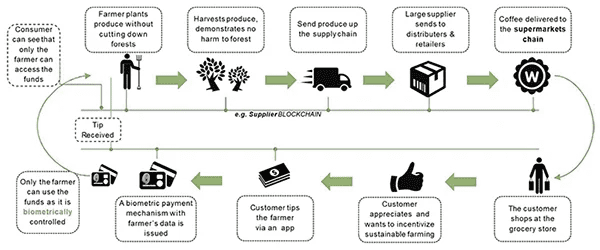
This is supposed to happen as companies adopt digital tools to cut down waste and reduce emissions. ERP platforms and IoT technologies are making this shift. Real-time fleet monitoring to energy-efficient warehousing, such systems provide logistics operators the visibility and control required to build sustainable and compliant supply chains.
In this blog, we will learn how ERP and IoT are helping Oman and Bahrain accelerate green logistics together.
Key Takeaways
- Logistics operators in Bahrain and Oman are facing rising pressure to create sustainable supply chain practices.
- Freight transport contributes to 30% of global transport-related CO₂ emissions.
- ERP systems help improve sustainability by providing visibility, automated ESG reporting, innovative warehouse management, and route optimization.
- IoT technologies help improve green logistics through fleet monitoring, cold chain tracking, energy-efficient warehousing, and optimized deliveries.
- Combining ERP and IoT can yield optimal outcomes, fostering end-to-end visibility, precise carbon measurement, and automated sustainability workflows.
- Some of the basic benefits include lower emissions, reduced fuel and energy costs, improved efficiency, ESG readiness, and complete transparency in the supply chain.
What Does a Sustainable Supply Chain Mean Today?
A sustainable supply chain focuses on making every stage of logistics responsible, efficient, and future-ready.
Let us take a brief look at what a sustainable supply chain can include:
- Lower carbon emissions: Cutting down fuel, optimizing better routes, and reducing empty miles.
- Energy-efficient operations: Smarter warehouses, reduced electricity consumption, and optimized cooling, which is especially important in the Gulf climate.
- Waste reduction: Reducing package waste, product loss, and unnecessary inventory.
- Transparent, data-driven decisions: Digital tools such as ERP and IoT systems track emissions, fuel usage, delays, and resource consumption in real time.
- Compliance with ESG standards: Meeting global and regional sustainability expectations. This includes upcoming GCC environmental reporting requirements.
Challenges in Achieving Green Logistics in Oman & Bahrain
Building a logistics ecosystem in Oman and Bahrain is a significant priority. However, structural and operational challenges make the entire transition complex.
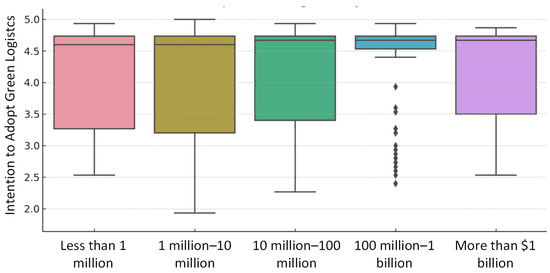
1. Heavy Dependence on Fuel-Based Transport
Freight is entirely transported by fuel-powered trucks. This raises emissions, making low-carbon mobility difficult without investment.
2. Limited End-to-End Visibility
Many logistics companies have siloed data, manual paperwork, and fragmented systems. This makes tracking fuel, route efficiency, and carbon output difficult.
3. High Energy Consumption in Warehouses
Summers in Oman and Bahrain require cooling and power. The absence of smart energy controls can cause warehouses to consume more electricity than needed.
4. Slow Adoption of Digital Tools
Several small- and mid-sized logistics operators lack the budget or technical capability to adopt IoT sensors, telematics, or sustainability modules in their ERP systems. All of this slows down the green transformation.
5. Cross-Border Coordination Challenges
Regional freight networks have checkpoints and various standards. This complicates the effort to build a green and transparent supply chain.
6. Upfront Cost of Sustainable Technologies
The process of switching to hybrid or electric fleets, solar-powered warehouses, or automated systems requires an initial investment, which delays widespread adoption.
The Role of ERP in Sustainability
ERP systems play a significant role in helping logistics companies in Oman and Bahrain transition to greener and more efficient operations. The integration of data across warehouses, supply chain partners, fleets, and ERP sustainability platforms enables transparency to reduce waste, optimize energy use, and lower carbon emissions.
1. Real-Time Operational Visibility
ERP helps centralize the data from procurement, transport, and fleet operations. This allows the logistics team to keep track of fuel consumption, idle time, and delivery delays. All of this is essential for identifying emission hotspots and improving sustainability performance.
2. Automated Sustainability & ESG Reporting
Modern ERP systems include modules for compliance reporting and carbon accounting. Logistics operators can calculate 1, 2, and 3 emissions, generate a dashboard to measure sustainability, and align with emerging ESG requirements in the GCC.
3. Smarter Inventory & Warehouse Management
ERP optimizes inventory levels, reduces overstocking, and prevents product spoilage. It integrates with energy management tools to help balance lighting, cooling, and equipment usage. This lowers electricity consumption in temperature-sensitive Gulf places.
4. Route & Resource Optimization
The integration with transport management modules helps ERP reduce empty trips, plan efficient routes, and improve load utilization. All this helps reduce fuel usage and emissions.
How IoT Enhances Green Logistics Performance?
IoT technologies are transforming how logistics companies monitor, track, and optimize operations. As a result, sustainability is becoming measurable and achievable. For Oman and Bahrain, IoT provides real-time intelligence needed to build a greener logistics network.
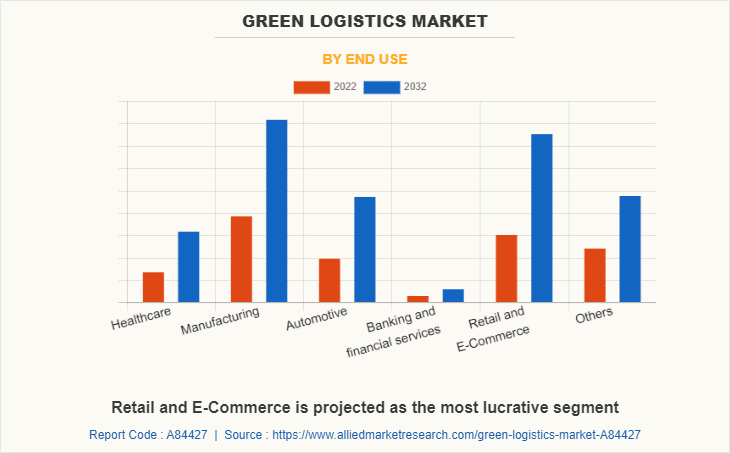
1. Smart Fleet Monitoring for Fuel Efficiency
There are IoT sensors used to track fuel, speed, driver behavior, idle time, and engine health. As a result, operators enjoy reduced fuel burn, lower emissions, and adequately maintained fleets. This is the key to long-haul desert routes in Oman.
2. Predictive Maintenance Reducing Operational Waste
Sensors alert teams before machinery or vehicles fail. Fewer breakdowns mean fewer emergency trips, less fuel wastage, and longer equipment life. This reduces the fleet’s carbon footprint.
3. Route Optimization with Telematics & GPS
IoT-based telematics are often used to analyze terrain, weather conditions, and traffic to suggest better, cleaner routes. This, in turn, helps reduce mileage, delays, and fuel consumption. These are important given the dense urban logistics in Bahrain.
4. Energy-Smart Warehousing
IoT helps control ventilation, cooling, and lighting systems based on real-time demand. In hot Gulf climates, this prevents energy waste and maintains optimal conditions for temperature-sensitive goods.
5. Real-Time Asset Tracking
IoT enables tracking of everything in the supply chain. From pallets and containers to high-value shipments, everything can be tracked. Loss of goods, spoilage, and delays are reduced when you can see what is going on. This reduces waste as well as emissions.
6. Improved Cold Chain Sustainability
IoT temperature sensors are used to keep perishable goods within a particular range. This helps reduce food wastage and spoilage of drugs, food, and groceries. These are all important industries in Oman as well as Bahrain.
ERP + IoT Integration: The Real Green Advantage
ERP and IoT both make logistics better on their own, but when they work together, they’re at their most powerful.
1. End-to-End Supply Chain Visibility
IoT devices monitor fleet performance, warehouse energy use, cargo conditions, and route activity in real time. ERP presents this data in one dashboard, giving logistics leaders full visibility from warehouse to delivery.
2. Data-Driven Carbon Reduction
ERP analytics and IoT sensor data is used by companies to keep track of fuel emission, fuel usage, idle hours and energy consumption using ERP analytics and IoT sensor data. This helps operators set reduction goals and track ESG KPIs.
3. Faster, Smarter Decision-Making
ERP workflows get IoT alerts if the delivery truck is idle, there is an overheating issue, or the warehouse cooling unit is overworked. Teams can reduce waste, delivery time, and emissions as well.
4. Predictive Operations for Lower Waste
ERP and IoT data can be used to improve predictive maintenance, load optimization, and demand forecasting. This helps reduce breakdowns, energy waste, and empty trips.
5. Automated Sustainability Workflows
IoT insights help reroute vehicles, adjust warehouse temperatures, and schedule maintenance when needed. This helps automate greener operations.
6. Scalable Innovation for Oman & Bahrain
Both Oman and Bahrain need smarter logistics zones and port modernization. ERP and IoT integration create a future-ready and sustainable logistics ecosystem.
Key Benefits of ERP + IoT for Green Supply Chain Management
The logistics companies in Oman and Bahrain benefit a lot when they connect ERP and IoT. This helps them get a strong digital base, which in turn helps run more sustainably while reducing costs and increasing efficiency at the same time.
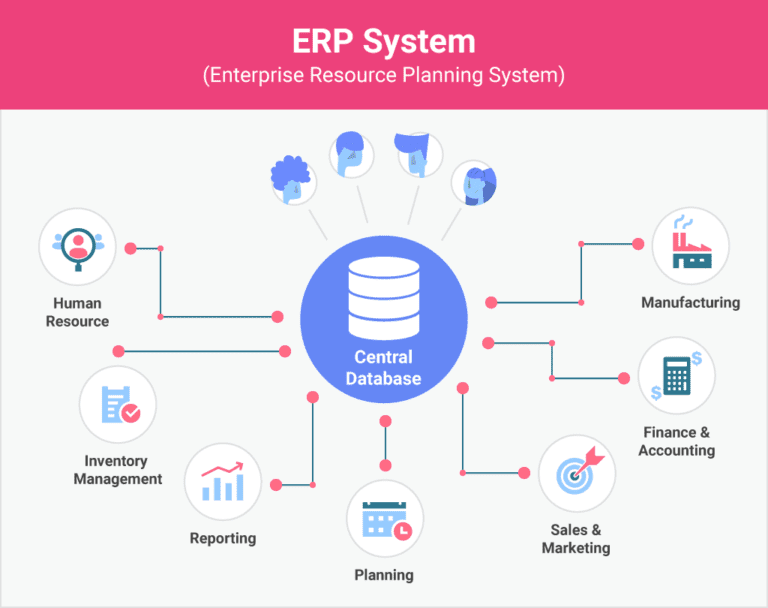
Here are the main benefits:
1. Lower Carbon Emissions
When IoT sensors and ERP analytics are used in real time, they help pick the best routes, cut down idle time, and make better use of fuel, as well as lower overall emissions across all fleet operations.
2. Reduced Fuel & Energy Costs
For logistics operations in hot Gulf climates, smart energy controls, automated warehouse monitoring, and optimized transport planning reduce fuel and electricity costs.
3. Higher Operational Efficiency
ERP centralizes IoT data and helps accelerate decisions, decrease errors, and enhance dispatching, maintenance, inventory, and resource allocation.
4. Better Asset Utilization
System integration helps optimize trucks, containers, and warehouse equipment. This helps reduce empty runs, maintain equipment, and also extends asset life.
5. Stronger ESG & Compliance Readiness
With automated carbon tracking, sustainability reports, and emission KPIs, companies can easily meet emerging GCC environmental standards and global ESG frameworks.
6. Lower Waste & Product Loss
Cold chain and food logistics in the region benefit from IoT-enabled temperature, humidity, and location monitoring to reduce spoilage, loss, and damage.
7. End-to-End Supply Chain Transparency
Every stage of movement and storage is known to stakeholders, fostering trust, accountability, and better sustainability decisions.
Conclusion
Oman and Bahrain are moving towards a smarter, cleaner, and more resilient logistics ecosystem. ERP and IoT are useful in handling supply chain transformation. These technologies allow logistics operators to achieve real-time visibility, energy control, and precise fuel through the supply chain. Integrating connected sensors with centralized ERP systems helps organizations reduce emissions, boost efficiency, satisfy ESG standards, and compete in an area quickly adopting digital logistics solutions.
Strategic green logistics solutions are no longer optional. Companies investing in ERP+IoT will lead Gulf sustainable logistics tomorrow.
