

This is a large manufacturing firm which has several production plants in its network

High-volume, complex discrete manufacturing with stringent quality and uptime requirements

Two-line, fast-speed manufacturing based on the use of critical machinery, accurate process control, and closely controlled production schedules

Replace legacy, siloed monitoring and reporting with a real-time dashboard that unifies KPIs, reduces unplanned downtime, and improves overall equipment effectiveness (OEE) across plants
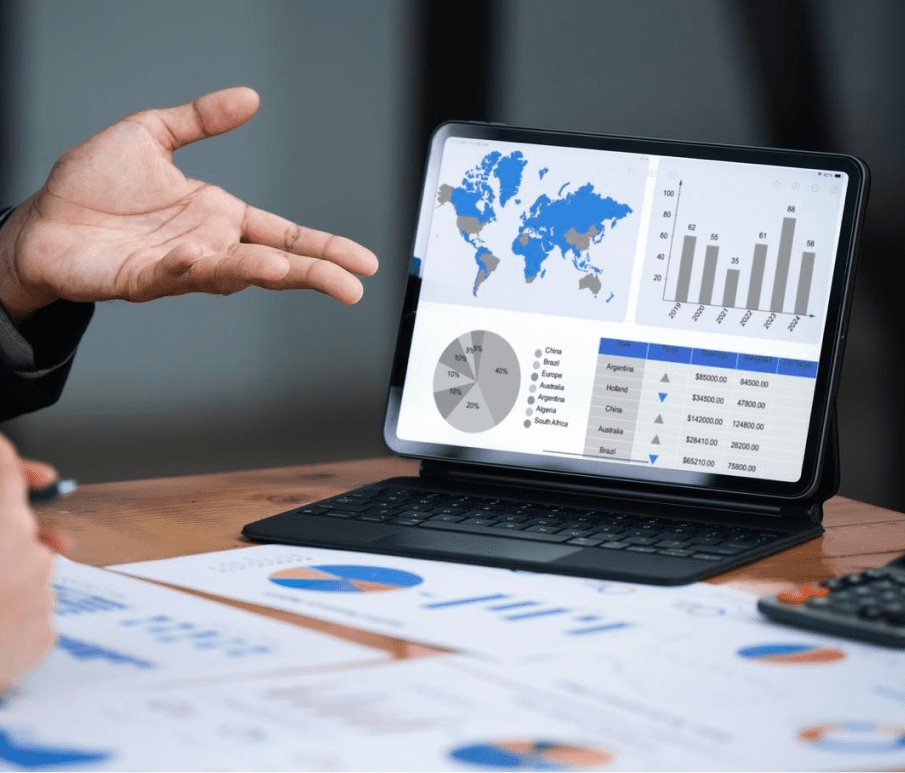
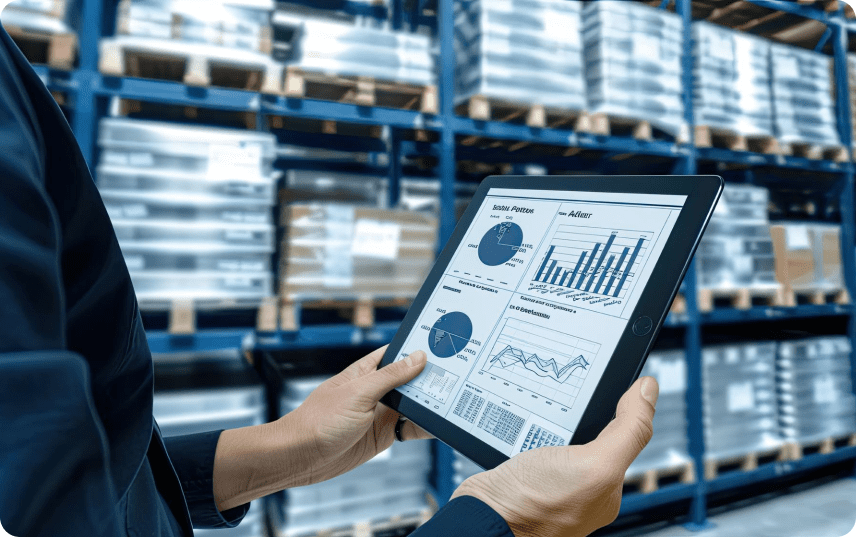


IoT and PLC data streamed into a central dashboard for live visibility into machine health, line status, and throughput
Machine learning interfaces observed the trends and raised early warnings enabling the maintenance personnel to take action before the breakdown and minimize the number of unplanned stoppage
Operator, maintenance lead, managers, and executive-specific views made sure that each of the roles only saw the KPIs and the drill-downs they needed
Unified, Intercompany and Cross-Plant KPIs on a single interface, siloed reports are removed, and tracks the performance across all plants and all shifts
Clean layouts, clear hierarchies, and simple filters made complex data easy to read, driving rapid adoption across teams and shifts
Real-time monitoring and notifications allowed the maintenance teams to act in time and ensure that minor problems do not develop into complete breakdowns
It was possible to see the bottlenecks and repetitive slows downs and allow the teams to reload the loads, simplify the workflow, and increase the throughput
Cohesive access to availability, performance, and quality enabled improved scheduling, maintenance planning, and used the available resources
Plant leaders now had one place to go to get the truth about line status, machine health and shift performance, in real time in multiple plants
Live KPIs over stagnant reports: decisions regarding capacity, maintenance windows and staffing became faster, more evidence-based and sharper
Live machine monitoring and alerts helped teams to intervene early before potential breakdowns could occur by transforming them into swift, scheduled interventions
Bottlenecks and frequent sluggings were also visible in real time, which helped the leaders to reassign loads and keep the lines moving without interruptions
Unified visibility of availability, performance and quality enabled smarter scheduling and maintenance, and taking more out of the current assets
Always-on KPIs replaced static reports, giving managers a single source of truth for capacity, maintenance, and shift planning
Standardized dashboards and role-based views aligned operators, maintenance, and leadership on shared metrics and clear accountability
